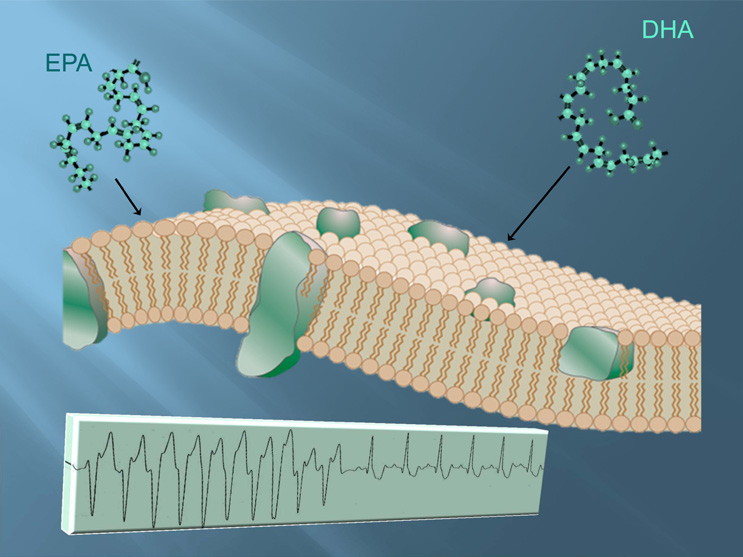
Omega-3
Omega-3 fatty acids (EPA, DHA, ALA) are essential nutrients critical for cellular function but cannot be synthesized by the body. Found in fatty fish, algae, and supplements, they are renowned for their roles in heart health, cognitive function, and inflammation regulation.
Cardiovascular Protection
Reduced Mortality in Heart Patients: GISSI-Prevenzione Investigators found a 20% reduction in total mortality and a 30% reduction in cardiovascular death / 45% reduction in sudden cardiac death
Mechanism: EPA/DHA reduce inflammation, improve lipid profiles, and inhibit platelet aggregation.
Dosage: 1–3g EPA/DHA daily for cardiovascular protection.
Sources: Fatty fish (salmon, mackerel) 2–3x/week or supplements.
Brain & Cognitive Function
DHA and Dementia: Framingham Heart Study, Schaefer et al. (2006) (Arch Neurol), found that participants in the top quartile of plasma DHA had a 47% reduced risk of developing all-cause dementia
Cognitive Performance:: Yurko-Mauro’s 2010 MIDAS trial evaluated age-related cognitive decline in healthy older adults using 900 mg DHA/day for 6 months. Found reduction in learning errors was equivalent to individuals 3 to 7 years younger.
Mechanism: DHA is a major structural component of brain cell membranes and supports neurotransmitter function.
Dosage: 200–500mg DHA daily for brain health.
Sources: Algal oil (vegan) or fish oil.

Anti-Inflammatory Effects
Rheumatoid Arthritis: Kremer et al. (1990, Arthritis & Rheumatism) found statistically significant reductions in tender joint counts and morning stiffness in patients taking 3g EPA daily.
Meta-analyses (e.g., Goldberg & Katz, 2007) show omega-3s act primarily as NSAID-sparing agents, reducing joint tenderness rather than eliminating pain by a set percentage.
Dosage: 1–2g EPA/DHA daily for inflammatory conditions.
Sources: Cod liver oil or concentrated supplements.
Mental Health & Depression
Adjuvant Therapy: A meta-analysis (Appleton et al., 2015, Cochrane Database) found omega-3s produced a small to modest improvment in depression symptoms when combined with antidepressants.
The 2015 landmark meta-analysis by Appleton et al. was published in the Cochrane Database of Systematic Reviews, not JAMA Psychiatry. Additionally, Cochrane’s conclusion found a small-to-modest symptom reduction
EPA vs. DHA: Sublette et al. (2011, J Clin Psychiatry) showed EPA (1g/day) was more effective than DHA for major depressive disorder.
Mechanism: May enhance serotonin synthesis and reduce neuroinflammation.
Dosage: 1–2g EPA daily for depression support.
Note: Not a standalone treatment; consult a healthcare provider.
Metabolic Health & Weight Management
Insulin Sensitivity: Flachs et al. (2005, Diabetes) demonstrated omega-3s activate PPAR-α receptors, improving fat metabolism.
Dosage: 1g EPA/DHA daily.
Sources: Fish oil or plant-based alternatives.