Microdose Stressors
What hurts could also heal. What kills can also strengthen.
Low doses of stress or toxins can strengthen organisms. An adaptive response is triggered, enhancing resilience. Observations in biology suggest that controlled stress is essential for optimal health and performance. This applies to physical, chemical, and environmental stressors. Here is a condensation from research in biology.
Bitter Melons
Okinawans consume bitter melon, which contains momordicin, creating mild oxidative stress in cells that triggers the production of antioxidant enzymes.
Sardinians drink wine containing resveratrol, which activates SIRT1 proteins at low doses. These proteins regulate cellular stress responses.
Mediterranean populations consume olive oil with oleocanthal. Oleocanthal mimics ibuprofen's anti-inflammatory effects by activating Nrf2 pathways to produce protective enzymes.
Coffee contains chlorogenic acids that mildly stress liver cells. The liver responds by increasing its production of glutathione. Glutathione is the body's primary antioxidant. Regular coffee drinkers tend to have lower rates of liver disease.

Trees and Muscles
Trees experiencing moderate wind stress develop stronger wood with denser cell walls and increased lignin content for enhanced structural support. Trees grown in greenhouses without wind stress are weaker and more brittle than those grown in open fields.
Bone cells respond to mechanical stress by increasing density. Weight-bearing exercise creates micro-fractures in bone tissue. Osteoblasts repair these fractures with additional calcium deposits. The resulting bone is stronger than before the stress. Muscle fibers develop microscopic tears during resistance exercise. Satellite cells repair the damage with extra protein. This process increases muscle fiber diameter. The adapted muscle can handle greater stress loads.
Low Dose Radiation
Populations in Denver experience higher background radiation than at sea level. Cancer rates in Denver are lower than the national average. Chronic low-dose radiation activates DNA repair mechanisms, which in turn prevent larger genetic errors.
Finnish populations near granite formations experience elevated radon exposure. Their lung cancer rates are paradoxically lower. Continuous low-level DNA damage triggers repair systems that prevent the occurrence of more severe mutations.
Nuclear shipyard workers exposed to low-dose radiation show reduced cancer mortality. Their immune systems demonstrate increased tumor surveillance. Lymphocytes show enhanced DNA repair capacity.

Hot/Cold Therapy
Exposure to sauna temperatures of 180°F activates heat shock proteins (HSPs) that prevent protein misfolding. These same proteins protect tardigrades (virtually indestructible “water bears”) during complete dehydration. Cells exposed to mild hyperthermia produce more mitochondria. Mitochondrial density increases energy production capacity. Heat-adapted cells are more resistant to subsequent thermal damage.
Cold water immersion at 50-59°F increases norepinephrine levels by 200-300% within two minutes, thereby activating brown adipose tissue (BAT) thermogenesis. BAT burns glucose and fatty acids for heat. Regular cold-water swimmers in Scandinavia exhibit enhanced immune function, characterized by significant increases in natural killer (NK) cell activity and interleukin-6 production during cold exposure, which leads to a post-exposure anti-inflammatory response. Scandinavian swimmers report fewer sick days and lower baseline inflammation over time.

Diet and Exercise
Exercise creates reactive oxygen species (ROS), which activate PGC-1α, the master regulator of mitochondrial biogenesis.
Dark chocolate contains epicatechins that generate mild cellular stress by activating the same PGC-1α pathways as exercise.
Green tea's EGCG creates similar molecular responses through Nrf2 activation.
Curcumin from turmeric triggers NF-κB suppression at low doses. This same pathway responds to exercise-induced inflammation. Both curcumin and exercise have been shown to reduce chronic inflammatory markers.
Sulforaphane, found in cruciferous vegetables like broccoli sprouts, triggers a mild oxidative stress response. This activates the Nrf2 pathway, producing detoxifying and antioxidant enzymes such as glutathione S-transferase. These responses enhance the cell’s ability to handle future insults.
Mountain Climbers
Mountain climbers experience hypoxic stress above 8,000 feet. The body responds by increasing erythropoietin (EPO) production, which stimulates the formation of red blood cells in the bone marrow. New capillaries form in muscle tissue within two weeks, and mitochondrial density increases in muscle fibers. Oxygen extraction efficiency improves at the cellular level. These adaptations persist for months after returning to sea level. High-altitude populations have genetic adaptations for oxygen efficiency. Intermittent hypoxia training has been utilized to enhance athletic performance and alleviate symptoms in patients with respiratory diseases.
Intermittent Fasting
Intermittent fasting deprives cells of glucose, creating a transient state of energy stress that activates the AMPK and autophagy pathways. These mechanisms clear damaged cellular components and improve mitochondrial efficiency. Fasting also increases ketone bodies, particularly β-hydroxybutyrate, which signals the body to produce more brain-derived neurotrophic factor (BDNF), a brain-protective growth factor.
Immunity
Exposure to low doses of pathogens and microbial byproducts during early life trains the immune system to respond appropriately. Children raised in farm environments show lower rates of asthma, eczema, and autoimmune disorders. Endotoxins, such as lipopolysaccharide (LPS) from Gram-negative bacteria, stimulate innate immune receptors, triggering a mild inflammatory response that enhances long-term immune regulation. The BCG vaccine, originally developed for tuberculosis, provides nonspecific protection against other infections by enhancing innate immune memory
Yeast, Worms, Fruit Flies
Yeast cells pre-exposed to 37°C heat stress survive lethal temperatures of 50 °C. Control cells die within minutes at 50°C. Heat-stressed cells produced protective proteins in advance. This cross-protection lasts several cell generations. Caenorhabditis elegans worms exposed to mild oxidative stress live 20% longer. The stress activates DAF-16, a transcription factor involved in longevity. DAF-16 increases antioxidant enzyme production and DNA repair capacity. Fruit flies given low doses of paraquat (a pesticide) show extended lifespans. The mild toxin stress activates protective pathways. Higher doses are lethal within hours.
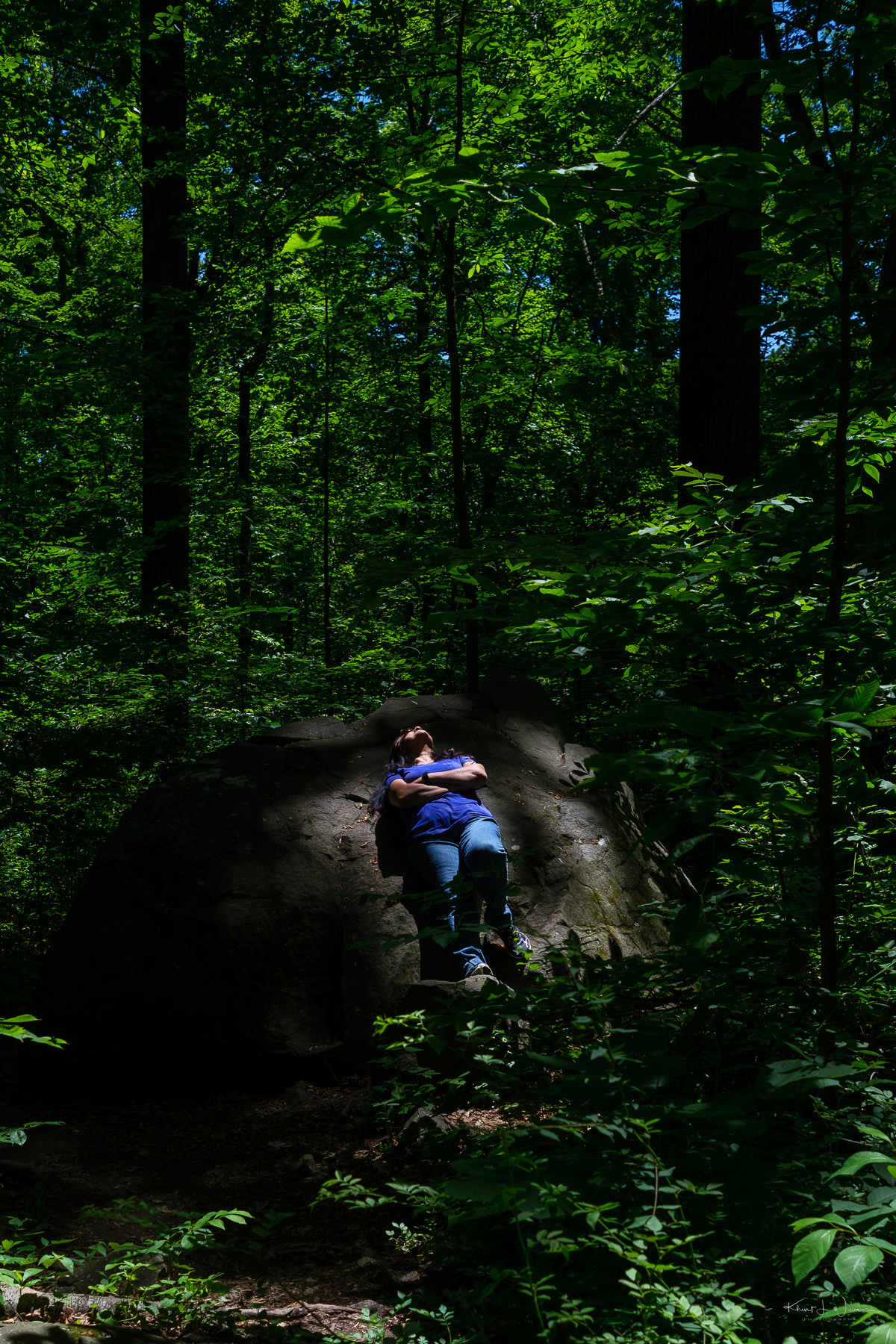
Forest Bathing
Forest bathing, or shinrin-yoku, exposes the body to plant-emitted phytoncides—volatile organic compounds with immunomodulatory effects. Inhaling phytoncides enhances the activity of natural killer (NK) cells and reduces the levels of inflammatory cytokines, including interleukin-6 (IL-6) and tumor necrosis factor-alpha (TNF-α). These mild immune stressors enhance the body’s surveillance systems. Regular forest exposure has been linked to reduced risk of illness, lower cortisol levels, and improved psychological well-being.
Stress responses share a few common molecular pathways.
The Nrf2-ARE pathway responds to oxidative stress within minutes by triggering the production of protective enzymes, such as glutathione peroxidase.
AMPK activation occurs during energy stress (exercise, fasting), causing changes that improve cellular energy efficiency.
SIRT1 (Silent Information Regulator T1) responds to the availability of NAD+. Caloric restriction increases NAD+ levels. This extends cellular lifespan across species from yeast to mammals.
Organisms don't just survive stress—they use it as a means to build better versions of themselves through the upregulation of protective and repair systems.
Adversity builds resilience.
Hormesis is the term used to describe the biphasic response. It is characterized by a low-dose stimulation or beneficial effect and a high-dose inhibitory or toxic effect. In biology and medicine, it's viewed as an adaptive response of cells and organisms to moderate, intermittent stress, leading to increased resilience against more severe subsequent stress.
Hormesis, as a concept, is not without controversy and risk. Researchers are quick to point out that a lot of the quantitative evidence comes from cell cultures or animal models. Not all stressors exhibit a biphasic dose-response. The response depends not only on dosage or intensity but also on biological context and frequency of exposure.
Even if a hormetic response exists, the dosage band may be very narrow. The findings on radiation exposure are certainly eyebrow-raising and debated by academics. Intermittent fasting may enhance metabolic resilience; however, it also carries risks of disrupting reproductive health in certain populations. Cold exposure might boost vitality in healthy young adults, yet pose cardiovascular risks for the elderly. Interventions like breath-holding might benefit elite athletes but increase stroke risk in vulnerable individuals.
Repeated exposure to mild stressors may have trade-offs. Stacking multiple stressors, such as combining fasting, intense exercise, and cold exposure, can also backfire, overwhelming the body’s adaptive systems and leading to distress rather than resilience.
There is likely a publication bias in hormesis research. Studies with null or negative results may be overlooked, giving a skewed impression. Hormesis is sometimes misappropriated or confused with homeopathy, which may rely on doses so diluted they often contain no measurable active substance.
The benefits of hormesis are highly dose-dependent. Low doses can be beneficial, but higher doses may be harmful. This highlights the importance of determining the optimal dose that elicits a positive adaptive response without causing harm.
The belief that “what doesn’t kill you makes you stronger” may hold some biological truth. But obsessions can be blinding.
That being said, research interest in hormesis has grown significantly, with a sixfold increase in the number of research articles published over the past 20 years. Edward Calabrese from the University of Massachusetts Amherst is a central figure in hormesis research. Combing through decades of toxicology studies from labs around the world, he and his UMass collaborator, Linda Baldwin, found almost 6,000 instances of hormesis. The evidence is substantial. Observations in diverse contexts show the hormetic principle in action.
Empty — double-click to write